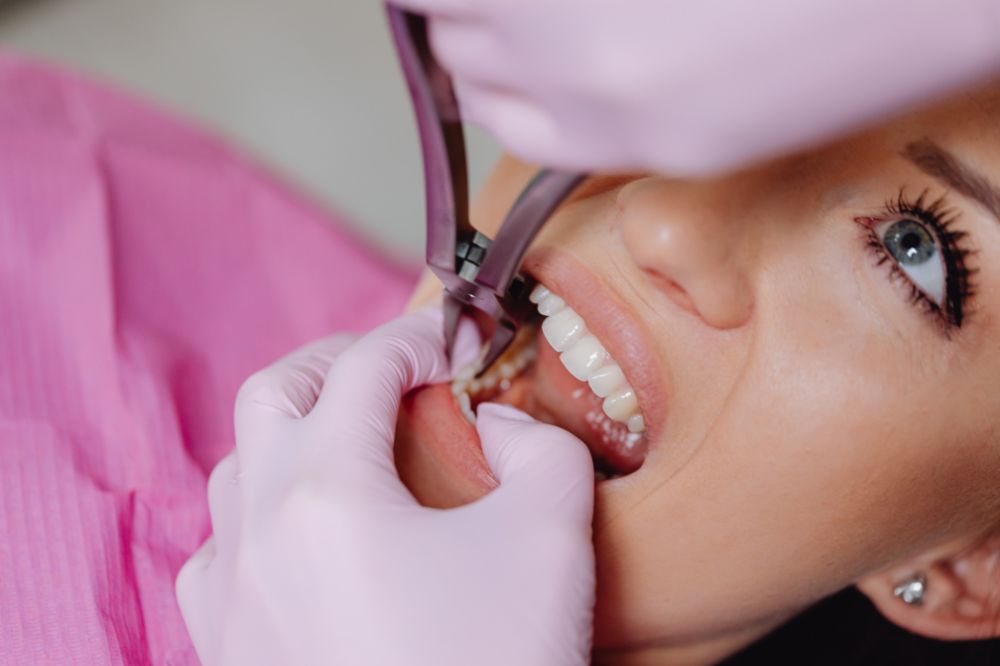
What is normal after tooth removal, and what signs may indicate a problem during healing? A dentist near you often explains what to expect after a tooth is extracted. After the tooth is removed, a blood clot forms in the space left by the tooth. This clot protects the bone and nerves underneath and helps the gum heal slowly over time.
In procedures like tooth extraction in Oakville, patients are carefully guided because proper aftercare plays a significant role in healing. Sometimes, bacteria can enter the healing area and cause infection. Knowing the early warning signs helps get treatment quickly and avoid further discomfort or complications.
What Happens After a Tooth Is Removed
After extraction, healing begins immediately. The body works to close the open space and rebuild gum tissue.
Normal healing signs include:
- Mild pain that slowly reduces each day
- Small swelling for 1–3 days
- Slight bleeding on the first day
- Formation of a protective layer over the socket
These signs show that recovery is progressing in the right direction. Any change where symptoms get worse instead of better may need attention.
Early Changes That May Point to Infection
Tooth extraction healing problems often begin with small symptoms that gradually become more noticeable. These changes should not be ignored, especially if they do not improve within a few days.
Warning signs include:
- Pain that increases instead of reducing
- Swelling that continues or spreads
- Redness around the gum area
- Bad taste that does not go away
- Unpleasant smell from the mouth
- Thick fluid or discharge near the extraction site
- Fever or feeling unusually tired
These symptoms may show that bacteria are affecting the healing area.
Why Infection Can Develop After Extraction
Damaged tooth removal treatment is often needed when a tooth is badly broken, decayed, or already infected before removal. In such cases, bacteria may already be present in the area, increasing the risk of infection after the procedure.
Other causes include:
- Not keeping the mouth clean properly.
- Smoking during the healing phase
- Eating hard or sticky food too early
- Disturbing the extraction site with the tongue or fingers
- Weak healing response due to health conditions
Following aftercare instructions carefully can greatly reduce these risks.
How Infection May Feel During Healing
Infection after tooth extraction does not always start suddenly. It may begin as mild discomfort and slowly increase.
Common experiences include:
- Continuous throbbing pain
- Pressure or a tight feeling in the jaw
- Pain spreading toward the ear or head.
- Difficulty opening the mouth fully
- Sensitivity while chewing or talking
When these signs become stronger over time, it often means healing is not going normally.
What Healthy Healing Usually Feels Like
Healing should show steady improvement each day. Pain and swelling should slowly improve rather than get worse.
Signs of normal recovery:
- Pain gradually improves
- Swelling goes down within a few days.
- No foul smell or bad taste
- Gum tissue slowly covers the socket.
These signs indicate that the body is repairing the area correctly.
When Healing Does Not Go as Expected
Sometimes healing can slow down or become difficult if an infection starts. This can cause discomfort and delay recovery.
Possible signs include:
- Pain that gets worse
- Swelling that does not go down.
- Bad taste in the mouth
- Fluid or pus near the area
- Fever or feeling weak
These signs mean a dental checkup is needed.
How to Support Safe Healing After Tooth Extraction
Simple daily care helps protect the healing area and reduces the risk of infection.
Helpful steps include:
- Gently rinse your mouth after 24 hours.
- Eating soft foods like soup, yogurt, or mashed food
- Avoiding smoking and alcohol during healing
- Not touching the extraction area.
- Taking prescribed medicines on time
- Drinking enough water to support recovery
These steps help protect the blood clot and allow proper gum healing.
Why Early Attention Is Important
Ignoring early warning signs can lead to more serious problems. Infection may spread to nearby areas, worsening pain and swelling.
Getting early dental care helps:
- Stop the infection from spreading.
- Reduce pain faster
- Support quicker healing
- Avoid complex treatment later.
Timely care makes recovery smoother and safer.
Protect Your Recovery with Early Dental Care!
After a tooth is removed, healing should gradually improve, with less pain and swelling over time. If pain gets worse, swelling increases, or there is unusual discharge, it may be a sign of infection and should not be ignored. Getting help early protects your oral health and supports a smooth healing process. Calma Dental provides thorough checkups and post-surgery support, helping patients receive the right guidance, timely care, and a safe healing process from start to finish. Book your visit today!
FAQs
1. What is the first sign of infection after tooth extraction?
The first sign is usually more pain and swelling that does not get better after a few days.
2. Is swelling normal after tooth extraction?
Yes, mild swelling for a few days is normal. But swelling that keeps getting worse may be a problem.
3. Can infection develop even if healing starts normally?
Yes, infection can still occur later if bacteria enter the area or if aftercare is not properly followed.
4. How long does healing usually take?
The first healing takes about 1 to 2 weeks, but full healing can take longer depending on the case.