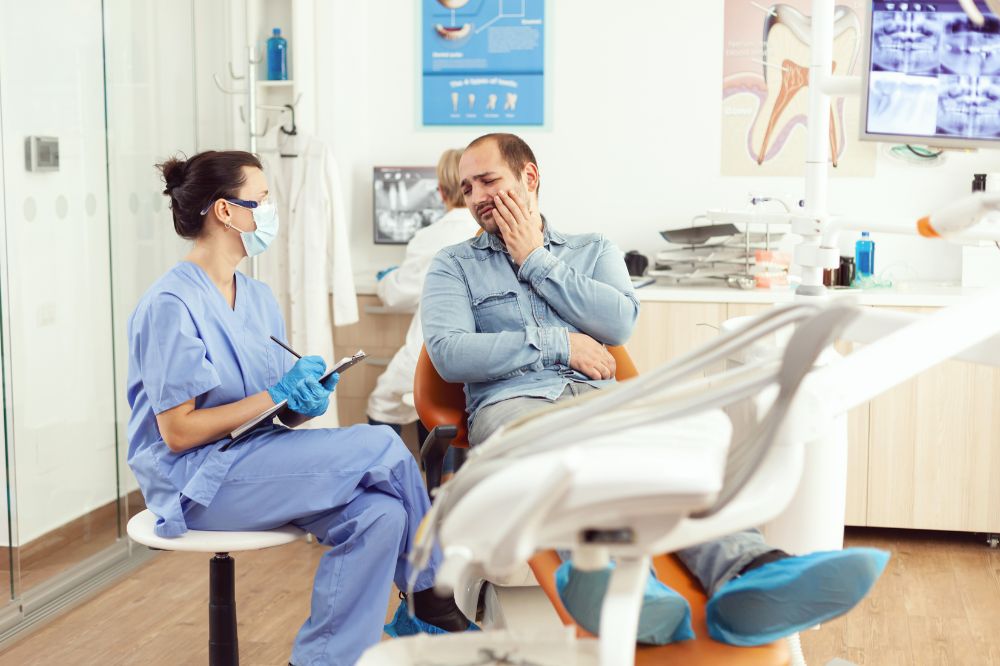
Are you looking for a dentist near you who ensures complete safety during sedation procedures? Finding the right dental care provider is very important for a safe and stress-free experience. Dental sedation helps patients feel calm and relaxed during treatment, but it must always be carefully controlled with proper monitoring and emergency readiness at every stage. One common method is nitrous sedation in Oakville. It helps patients feel calm and relaxed within a few minutes while they are still awake and can respond. Even though it is mild and safe, dental teams are always ready for any unexpected reactions to keep patients fully safe during the treatment.
Why Safety is the First Priority in Sedation Care
Sedation is used to reduce fear, pain, and stress during dental treatments. However, every patient’s body reacts differently. Because of this, safety steps are followed from the beginning to the end of the procedure.
The main focus is on:
- Keeping breathing normal
- Keeping heart rate steady
- Making sure the patient feels comfortable
- Acting quickly if anything changes
This careful care helps make sedation safe for most patients, including both children and adults.
Understanding Dental Sedation Treatment Options
Dental sedation treatment options are chosen based on the patient’s health, level of fear or anxiety, and the type of dental treatment needed. Each option is planned after a careful health check.
Common sedation options include:
- Mild inhalation sedation (laughing gas)
- Oral sedation (taken as a pill)
- IV sedation (for deeper relaxation)
Each method has a different level of calmness and is used only when needed. The dental team always chooses the safest and most suitable option for the patient.
What Emergency Protocols Mean During Sedation
Emergency protocols are safety steps used if a patient has any sudden or unexpected changes during sedation. These cases are rare, but the dental team is always ready for them.
They include:
- Quick action plans
- Trained staff roles
- Emergency tools in the room
- Continuous patient monitoring
The purpose is simple: to respond immediately and keep the patient stable and safe.
Continuous Monitoring of the Patient
During sedation, the dental team closely watches the patient using special machines. This helps them track how the body is responding in real time.
The main sign they check is:
- Oxygen level in the blood
- Heart rate
- Blood pressure
- Breathing pattern
If any reading changes, the team responds without delay. This step is one of the most important parts of safe sedation care.
Airway Support and Oxygen Control
Sometimes sedation may slow breathing or relax throat muscles. In such cases, simple and quick actions are taken.
These may include:
- Giving extra oxygen through a mask
- Adjusting the patient’s head position
- Clearing the airway if needed
- Using basic breathing support tools
These steps help restore normal breathing quickly and safely.
Emergency Medicines and a Trained Dental Team
Dental clinics keep emergency medicines available during all sedation procedures. These are only used in rare situations, such as:
- Allergic reactions
- Sudden drop in blood pressure
- Over-sedation effects
Along with medicines, a trained dental team is always present. Each member knows their role clearly, which helps in a quick and organized response during any emergency.
Preparing Before Sedation Begins
Proper preparation is very important for safe sedation. Before the treatment, the dental team checks:
- Medical history
- Current medicines
- Any allergies
- Overall health
This helps lower risks and makes sure the sedation plan is safe for the patient.
Careful planning helps the whole dental visit go smoothly from start to finish.
How Sedation is Kept Safe During Treatment
Pain-free dental sedation is designed to make dental care comfortable while still keeping full safety control. Even during relaxation, the patient is closely monitored and supported at all times.
Safety is maintained through:
- Slow and controlled sedation levels
- Constant observation
- Immediate response readiness
- Adjustments based on patient comfort
This balance between comfort and safety is what makes modern sedation very reliable.
Recovery and Post-Sedation Observation
After the dental procedure, patients are not released immediately. They are kept under observation until they are fully awake and stable.
During recovery, the dental team checks:
- How awake the patient is
- If breathing is normal
- Balance and ability to move safely
- Overall comfort
Patients are slowly guided and watched until they are fully ready to go home safely. This helps make sure there are no late side effects after sedation ends.
Your Comfort and Safety Come First at Every Visit!
Emergency safety steps during sedation are carefully designed to protect patients at all times. From detailed preparation and constant monitoring to fast response actions, every measure works together to ensure a safe and calm dental experience. At Calma Dental, sedation is delivered using advanced techniques along with strict safety standards, helping patients feel secure, relaxed, and well cared for throughout their treatment.
FAQs
1. Why are emergency protocols used during sedation?
They are used to quickly handle any unexpected changes in breathing, heart rate, or patient response during treatment.
2. Is nitrous sedation safe for anxious patients?
Yes, nitrous sedation in Oakville is commonly used because it is mild, fast, and easy to control.
3. How does the dental team check safety during sedation?
They use machines to monitor oxygen levels, heart rate, and blood pressure during the whole treatment.
4. What happens if breathing becomes slow during sedation?
The team quickly gives oxygen and changes the patient’s position to help them breathe normally again.