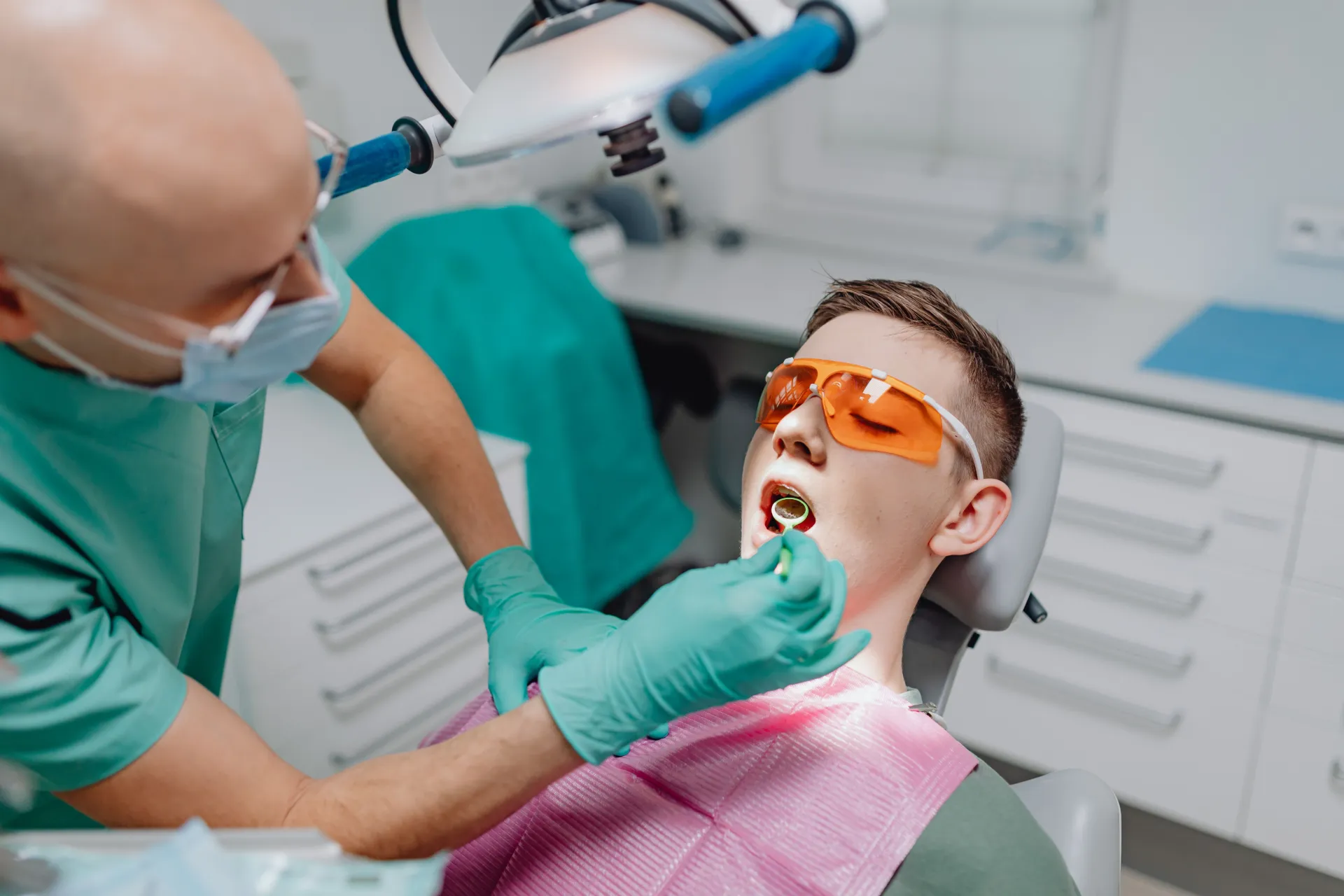
An oral cancer screening is a quick, painless check of your lips, mouth, tongue, throat, and neck for changes that may need a closer look. Your dentist looks and feels for unusual spots, lumps, or patches, usually in a few minutes. If you’re searching for a dentist in Oakville who includes this check in your regular visits, it’s worth asking what the exam covers so you know what to expect.
Why Oral Cancer Screening Matters
Oral cancer can affect the lips, tongue, gums, cheeks, floor of the mouth, roof of the mouth, and throat. In the early stages, it often causes few or no symptoms. That’s one reason regular exams matter.
Many changes found during a screening turn out to be harmless, such as a minor irritation or a canker sore. Still, spotting a suspicious area early gives you the chance to get it checked sooner rather than later.
A screening isn’t a diagnosis. It’s a way to notice changes so they can be followed up properly.
What Does an Oral Cancer Exam Involve?
What does an oral cancer exam involve? It has two main parts: a visual check and a hands-on check. Both are gentle and quick.
During the visual part, your dentist looks closely at:
- Your lips, inside and out
- The inside of your cheeks
- Your gums
- The top, sides, and underside of your tongue
- The floor and roof of your mouth
- The back of your throat
During the hands-on part, your dentist gently feels the following areas for lumps or tender spots:
- The sides of your neck
- The area under your jaw
- The glands around your throat
- The floor of your mouth and your cheeks
You may be asked to stick out your tongue, turn your head to one side, or say “ah.” That’s about it.
Is an Oral Cancer Screening Painful?
Is an oral cancer screening painful? No, it shouldn’t be. The exam uses light pressure and a visual check, so most people feel little more than mild pressure under the jaw or along the neck.
If a spot is already sore, such as a mouth ulcer, you may notice some tenderness when it’s touched. Let your dentist know if anything feels uncomfortable so they can adjust.
If dental visits make you nervous, let the dental team know before your appointment begins. Gentle sedation may also be available for cleanings. Ask about the options that may help you feel more relaxed during your visit.
Who Should Pay Closer Attention?
Anyone can develop oral cancer, but certain factors may raise the risk:
- Using tobacco, including smoking and chewing
- Drinking alcohol heavily
- Human papillomavirus (HPV) infection
- Long-term sun exposure on the lips
- A personal or family history of cancer
- Being over the age of 40
Having one of these factors doesn’t mean you’ll develop oral cancer, and many people who do have no obvious risk factors. That’s why screening is generally recommended as part of routine exams for most adults.
Warning Signs to Watch for Between Visits
You don’t have to wait for your next appointment if something seems off. Contact a dentist or dentist if you notice:
- A sore or ulcer that hasn’t healed in about two weeks
- A lump or thickened area in your mouth or neck
- Red or white patches that don’t go away
- Pain, numbness, or tingling in your mouth, lips, or face
- Trouble chewing, swallowing, or moving your jaw or tongue
- A hoarse voice or a sore throat that lingers
- Dentures that suddenly stop fitting well
Most of these symptoms have common, harmless causes. Still, it’s best to have them checked rather than wait.
How Often Should You Get Screened?
Screening is usually done as part of a routine dental checkup, which many people have once or twice a year. Your dentist can tell you how often is right for you based on your health history and risk factors.
If you haven’t had a screening before, ask for one at your next visit. If you’ve noticed something unusual, don’t wait for a scheduled checkup.
Finding Oral Cancer Screening Near You
When looking for oral cancer screening in Oakville, choose a dental clinic that includes the exam as part of regular oral health care and takes time to explain each step. Oral cancer screening can help identify unusual changes in the mouth that may need further attention. Ask about including this screening in your dental visit and learn what to expect during the exam.
Searching for oral cancer screening near you is also a good time to check whether the dental clinic accepts new patients and works with your insurance plan. Before booking, ask about new patient appointments, direct insurance billing, and whether the clinic accepts the Canadian Dental Care Plan (CDCP). Keep in mind that coverage depends on your plan and the services you need.
For quick questions before you book, a dentist near you can often answer them by phone.
Make Time for Your Oral Health
Regular dental visits are important for more than checking your teeth and gums. An oral cancer screening can help identify unusual changes in the mouth, lips, or throat that may need further evaluation. Even if you do not notice any symptoms, including this screening as part of your dental checkup can help you stay aware of your oral health.
Contact Calma Dental to arrange your visit and discuss any changes or concerns you have noticed. Our team can explain what the screening involves and guide you through the next steps. We look forward to seeing you!
FAQ’s
How long does an oral cancer screening take?
Usually just a few minutes. It’s often done alongside your regular exam, so it doesn’t add much time to your visit.
Do you need a separate appointment for it?
Not usually. Screening is typically part of a routine checkup. Ask your dentist how it’s handled at your visit.
What happens if my dentist finds something unusual?
Your dentist may monitor the area over a short period or refer you for further testing. An unusual finding doesn’t mean you have cancer, and many spots turn out to be harmless.
Can oral cancer screening detect every type of oral cancer?
No exam can promise that. A screening checks the areas your dentist can see and feel. Regular visits and prompt reporting of new symptoms give the best chance of noticing changes early.