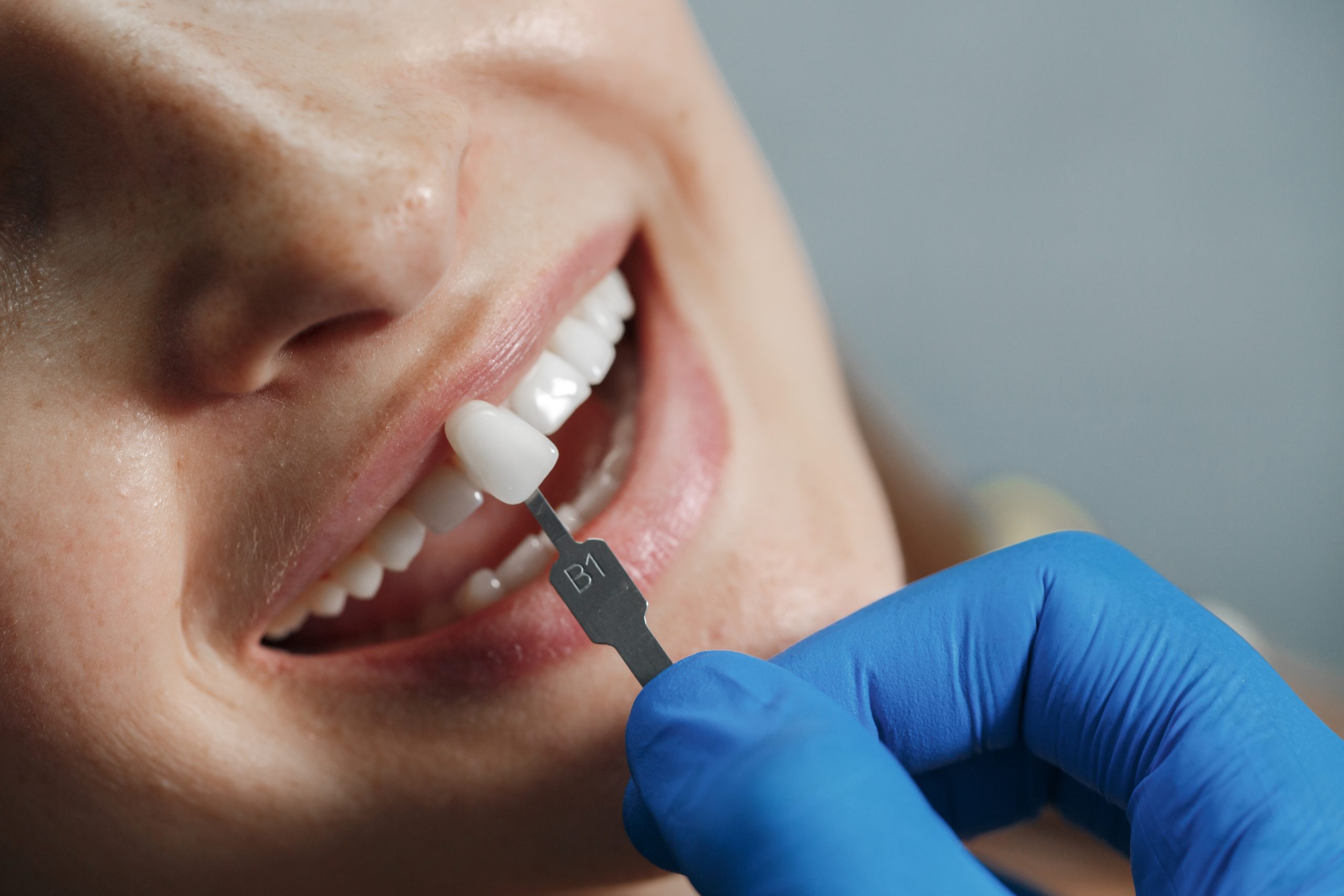
A missing tooth can still be replaced years after it was lost; time alone does not make treatment impossible. However, the gap and surrounding structures may change, affecting which options are practical.
A dentist in Oakville can assess nearby teeth, gums, bite, available bone, and your goals. An examination helps determine which options are suitable now. Depending on what has changed, treatment may involve a dental implant, bridge, or removable denture, and some people may need gum treatment or additional planning first.
Understanding these factors can help you compare the benefits, limitations, care requirements, and expected timeline before deciding how to restore your smile.
What Can Change When A Tooth Has Been Missing?
After tooth loss, neighbouring teeth may drift into the space, the opposing tooth may move toward it, and bone in the area can gradually shrink. Changes vary; some people notice little movement, while others develop a narrower gap or changes in chewing.
Options for tooth replacements in Oakville may still be available years later. Reduced bone, an altered bite, gum disease, or decay can affect planning, but these changes do not automatically rule out treatment.
Understanding The Main Replacement Options
Several options can replace a missing tooth, each with different requirements and maintenance needs:
- Dental Implant: A post in the jawbone supports a crown or, in some cases, a bridge or denture. Surgery and healing are required, and grafting may be considered if bone is limited. The implant-supported crown still needs brushing, interdental cleaning, and routine professional checks.
- Dental Bridge: A fixed replacement tooth is supported by neighbouring teeth or implants. A conventional bridge may require reshaping adjacent teeth, so their condition matters. Decay or gum problems in these supporting teeth can affect the bridge over time.
- Removable Partial Denture: This replaces one or more teeth and can be removed for cleaning, though it may need adjustment as the mouth changes. It must be removed and cleaned as directed.
The options for tooth replacements near you depend on the gap, neighbouring teeth, and how the restoration can be maintained. Surgery, removability, appearance, timing, and cost also matter.
Can A Long-Standing Gap Still Be Treated?
A gap that has been present for years may still be restorable. If teeth have moved or the space has narrowed, their position may need to be addressed first. Reduced bone can affect implant planning and may lead to discussion of grafting or alternatives. Gum disease and untreated decay generally need attention first.
Sometimes the bite and remaining teeth are stable enough for a straightforward option. The gap’s age alone cannot determine suitability, and not every missing tooth must automatically be replaced.
What Will The Assessment Include?
A dentist near you can review your medical history, gums, bite, tooth position, and available bone. Dental imaging may be recommended, including a three-dimensional scan for implant planning.
Smoking, medicines or conditions that affect healing, and the strength of supporting teeth may also influence the decision. These details help the clinician estimate likely risks and decide whether any preparation is needed before treatment.
The plan should explain preparation, alternatives, timing, costs, and long-term care. If the gap is not affecting function and the remaining teeth are stable, monitoring may also be discussed.
Planning For Long-Term Care
No replacement has a guaranteed lifespan. An implant may remain in place for many years, while its crown may need repair or replacement. A bridge depends partly on supporting teeth, and removable dentures may need adjustment as the gums and jaw ridge change.
Daily cleaning and regular reviews help protect the result. Follow-up matters even when the replacement feels comfortable, because early wear or gum changes may not cause obvious symptoms. Report looseness, persistent soreness, or difficulty cleaning around the replacement.
Take The Next Step With A Clear Plan
Years without a tooth do not automatically close the door on replacement. A review can help you weigh comfort, appearance, treatment time, maintenance, and what is realistic for your oral health.
Schedule a consultation with Calma Dental to review the missing-tooth area and discuss suitable options.
FAQs
How does waiting to replace a missing tooth affect your options?
Nearby teeth may drift, the opposing tooth may move, or bone volume may decrease over time. These changes can complicate treatment without ruling it out. Examination and imaging help determine whether space correction, gum treatment, or grafting may be useful. The recommended plan depends on the location of the gap and overall oral health.
How long do different tooth replacement options last?
Lifespan varies. An implant may remain stable for many years, although its crown can need replacement. Bridges depend on the supporting teeth, while dentures may need adjustment as the mouth changes. Daily care and follow-up influence longevity.
Could shifting teeth make replacement more difficult?
Yes. Movement can reduce space or alter the bite. Depending on the extent, orthodontic or restorative treatment may be discussed before replacing the tooth.
Can an implant still be possible if bone has shrunk?
Possibly. Imaging assesses bone volume and nearby anatomy. Grafting or a different plan may be considered; a bridge or removable denture may suit other cases. The decision depends on examination findings and health factors. Bone grafting adds treatment time and is not needed for every implant candidate.