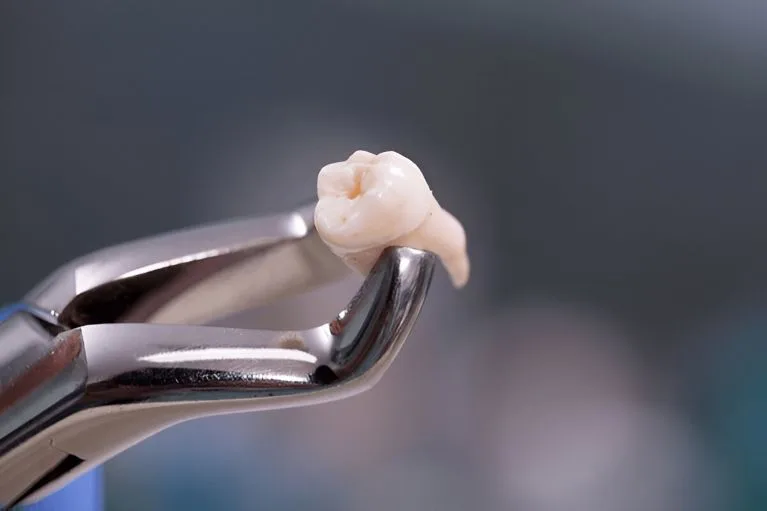
After a tooth is removed, a blood clot forms in the empty socket. That clot protects the bone and nerves underneath while the area heals. A dry socket happens when the clot breaks down or comes loose too early, leaving the bone exposed. It is one of the most common problems after an extraction, especially after wisdom teeth are removed, and it can be very painful.
The good news is that dry socket is treatable and often preventable. Here is how to recognize it, what raises the risk and what to do if you think you have one.
What Are the Symptoms of Dry Socket?
Dry socket usually shows up two to four days after an extraction, when the normal soreness should be getting better. Common symptoms include:
- Pain that gets worse instead of better a few days after the extraction
- Pain that spreads to the ear, eye, temple or neck on the same side
- An empty-looking socket, where you may see whitish bone instead of a dark clot
- Bad breath or an unpleasant taste in the mouth
- Pain that over-the-counter medication does not control
Dry Socket or Normal Healing?
Some pain, swelling and mild bleeding are normal for the first two or three days after a tooth is pulled. Normal healing pain gradually improves each day. Dry socket pain does the opposite: it eases at first and then becomes sharper and more intense, often throbbing and radiating along the jaw.
Dry socket is also different from an infection. An infected socket tends to cause swelling that keeps growing, pus, fever or a general feeling of being unwell. Dry socket usually causes severe pain without much swelling or fever. Both need a call to your dentist.
What Causes Dry Socket?
The exact cause is not always clear, but several things make it more likely that the clot will dissolve or dislodge:
- Smoking or vaping, since suction and chemicals disturb the clot and slow healing
- Drinking through a straw in the first days after surgery
- Forceful spitting or rinsing too soon
- A difficult extraction, such as an impacted wisdom tooth
- Poor oral hygiene or an existing infection near the tooth
- Birth control pills, which have been linked to a higher risk
- A previous dry socket
How to Prevent Dry Socket
Following your aftercare instructions closely is the best protection:
- Bite gently on gauze for the time your dentist recommends to help the clot form.
- Avoid smoking and vaping for at least 72 hours, and longer if you can.
- Do not use straws, spit forcefully or rinse hard for the first 24 hours.
- Eat soft foods and chew on the opposite side.
- After the first day, rinse gently with warm salt water if your dentist advises it.
- Keep brushing your other teeth, taking care around the socket.
- Rest and avoid heavy exercise for a day or two.
How Is Dry Socket Treated?
If you think you have a dry socket, call your dentist. Treatment is simple and usually brings relief quickly. Your dentist will gently clean the socket to remove food and debris, then place a medicated dressing or paste that soothes the exposed bone. You may need to return to have the dressing changed. Your dentist may also recommend pain medication and home rinses until the area heals.
With treatment, most dry sockets settle within a week, and the socket goes on to heal normally.
When to Call Your Dentist
Contact your dental team if you notice pain that worsens after day two or three, a bad taste or smell, fever, swelling that keeps increasing, or bleeding that will not stop with firm pressure. Prompt care eases pain and lowers the chance of other complications.
If you need a tooth removed, learn more about tooth extraction in Oakville and wisdom teeth extraction in Oakville at Calma Dental. For sudden pain after an extraction, our emergency dentist in Oakville can help.
Need a dentist in Oakville after an extraction? Our team welcomes new patients and offers same-day emergency appointments when the schedule allows.
Frequently Asked Questions
How do I know if I have a dry socket?
The main sign is pain that gets worse two to four days after an extraction instead of better, often spreading to the ear. You may also see exposed bone in the socket and notice bad breath.
How long does dry socket last?
With treatment, pain usually eases within a day or two and the socket heals over about a week. Without treatment, symptoms can last longer.
When am I no longer at risk of dry socket?
The risk is highest in the first three to five days. After about a week, as the socket fills with new tissue, the risk becomes very low.
Can dry socket heal on its own?
It can heal over time, but treatment from your dentist relieves the pain much faster and keeps the area clean, so it is best to call rather than wait.
