Many adults assume braces are only for teenagers. In reality, teeth can be moved at any age as long as the gums and the bone that hold them are healthy. If crowding, gaps or a bite problem has bothered you for years, braces for adults are a practical option, and more grown-ups start orthodontic treatment every year.
This guide covers who is a good candidate, the main types of braces available to adults, how long treatment usually takes, and what changes when you start orthodontics later in life.
Am I Too Old for Braces?
No. There is no upper age limit for orthodontic treatment. What matters is the health of your teeth, gums and jawbone. Before recommending braces, a dentist checks for gum disease, active cavities and bone loss, because these need to be under control before teeth are moved.
Adults often seek treatment for reasons that go beyond appearance:
- Crowded teeth that are hard to brush and floss, which raises the risk of decay and gum disease.
- Gaps that trap food or have widened over time.
- Bite problems such as an overbite, underbite or crossbite that cause uneven wear, jaw strain or chipped teeth.
- Teeth that shifted after childhood braces because a retainer was not worn.
- Preparing for other dental work, such as moving teeth into place before an implant or bridge.
Types of Braces for Adults
Adults usually choose between fixed braces and clear aligners. Each works well for the right case.
Traditional Metal Braces
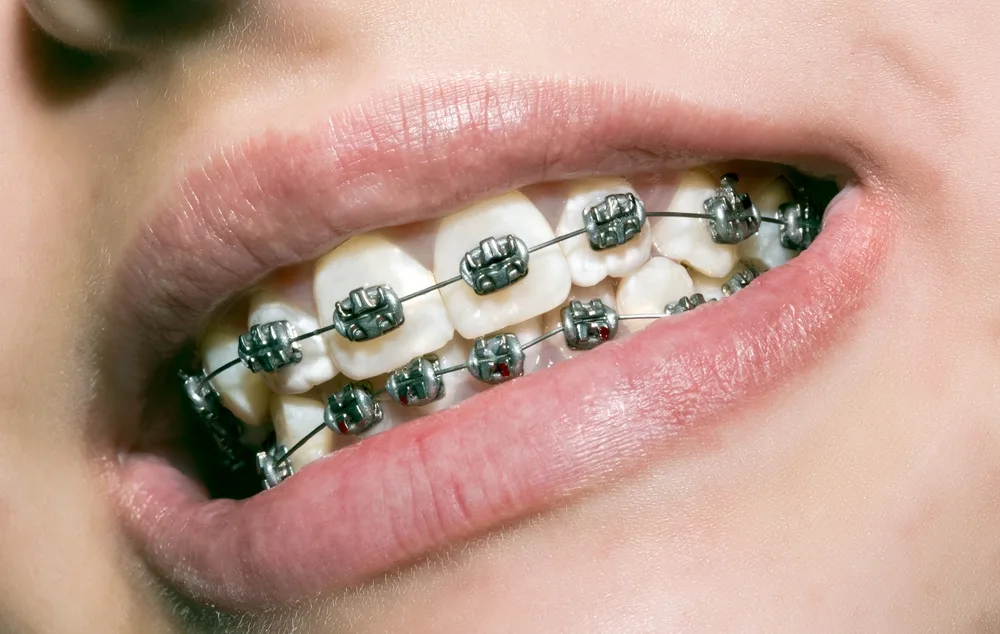
Metal brackets bonded to the teeth and connected by a wire remain the most versatile option. They handle severe crowding, large bite corrections and complex tooth rotations. Modern brackets are smaller than they used to be, and treatment is predictable because the braces work around the clock.
Clear or Ceramic Braces
Ceramic brackets work the same way as metal ones but blend in with the colour of your teeth. They are less noticeable in photos and at work, though they can be slightly more fragile and may cost more.
Clear Aligners
Clear aligners such as Invisalign use a series of removable trays to move teeth in small steps. They suit mild to moderate crowding and spacing. Because you take them out to eat and brush, they need discipline: aligners only work when worn for about 20 to 22 hours a day.
How Long Do Braces Take for Adults?
Most adult cases take between 12 and 24 months. Mild spacing can finish sooner, while severe crowding or bite correction can take longer. Adult treatment sometimes runs a little longer than treatment for teens because adult bone is denser and teeth move more slowly once growth has finished.
Several factors affect the timeline:
- How far the teeth need to move
- Whether the bite needs correcting, not only the alignment
- Gum and bone health
- How consistently you wear elastics or aligners
- Keeping adjustment appointments on schedule
What Is Different About Orthodontics for Adults?
Adults bring a few extra considerations to treatment. Older fillings, crowns or missing teeth may need to be planned around. Gum health is checked more closely, because moving teeth through inflamed gums can make bone loss worse. Some adults also need a combined plan, such as braces followed by a crown or implant.
The upside is that adults tend to be very motivated. They keep their appointments, clean carefully around brackets and wear their retainers, which leads to stable results.
Living With Braces as an Adult
The first few days after braces are placed or adjusted can feel sore. Soft foods and over-the-counter pain relief usually help. A few habits make treatment easier:
- Brush after meals and use floss threaders or a water flosser around the wire.
- Avoid hard and sticky foods such as nuts, hard candy and caramel, which can break brackets.
- Carry orthodontic wax for any bracket that rubs your cheek.
- Keep up regular cleanings, since plaque builds up faster around braces.
Keeping Your Results
Teeth naturally try to drift back after braces come off. A retainer holds them in their new position. Your dentist may recommend a removable retainer, a thin bonded wire behind the front teeth, or both. Most adults wear a retainer every night long term to protect the result.
Getting Started
The first step is an orthodontic consultation. Your dentist examines your teeth and bite, takes x-rays and digital scans, and explains which options suit your case, how long treatment is likely to take and what it will cost. If you are considering traditional braces in Oakville or Invisalign in Oakville, the team at Calma Dental can walk you through both options. You can also read about our orthodontics in Oakville.
Looking for a dentist in Oakville to talk through your options? Our team welcomes new patients.
Frequently Asked Questions
Can adults get braces at any age?
Yes. As long as your teeth, gums and jawbone are healthy, braces can move teeth at any age. A dental exam confirms whether you are ready to start.
Are clear aligners as effective as braces for adults?
For mild to moderate crowding and spacing, clear aligners can work as well as braces. Complex bite problems and severe rotations are usually treated more predictably with fixed braces.
Do braces hurt more for adults?
Adults feel the same mild soreness as teens for a few days after braces are placed or adjusted. It usually settles quickly with soft foods and over-the-counter pain relief.
Will I need a retainer after braces?
Yes. Retainers keep teeth from shifting back. Most adults wear a retainer at night long term after treatment ends.
