Missing a tooth can affect much more than just the appearance of your smile. It can alter how you chew, cause remaining teeth to shift out of alignment, and place uneven strain on your jaw joint. If you are consulting a dentist in Oakville, a dental bridge is one of the most reliable, time-tested solutions for restoring both function and aesthetics.
Understanding your restorative dental options can help you make informed decisions about your oral health. This guide explains what dental bridges are, how they are placed, and how to care for them so they can last for many years.
What Is a Dental Bridge?
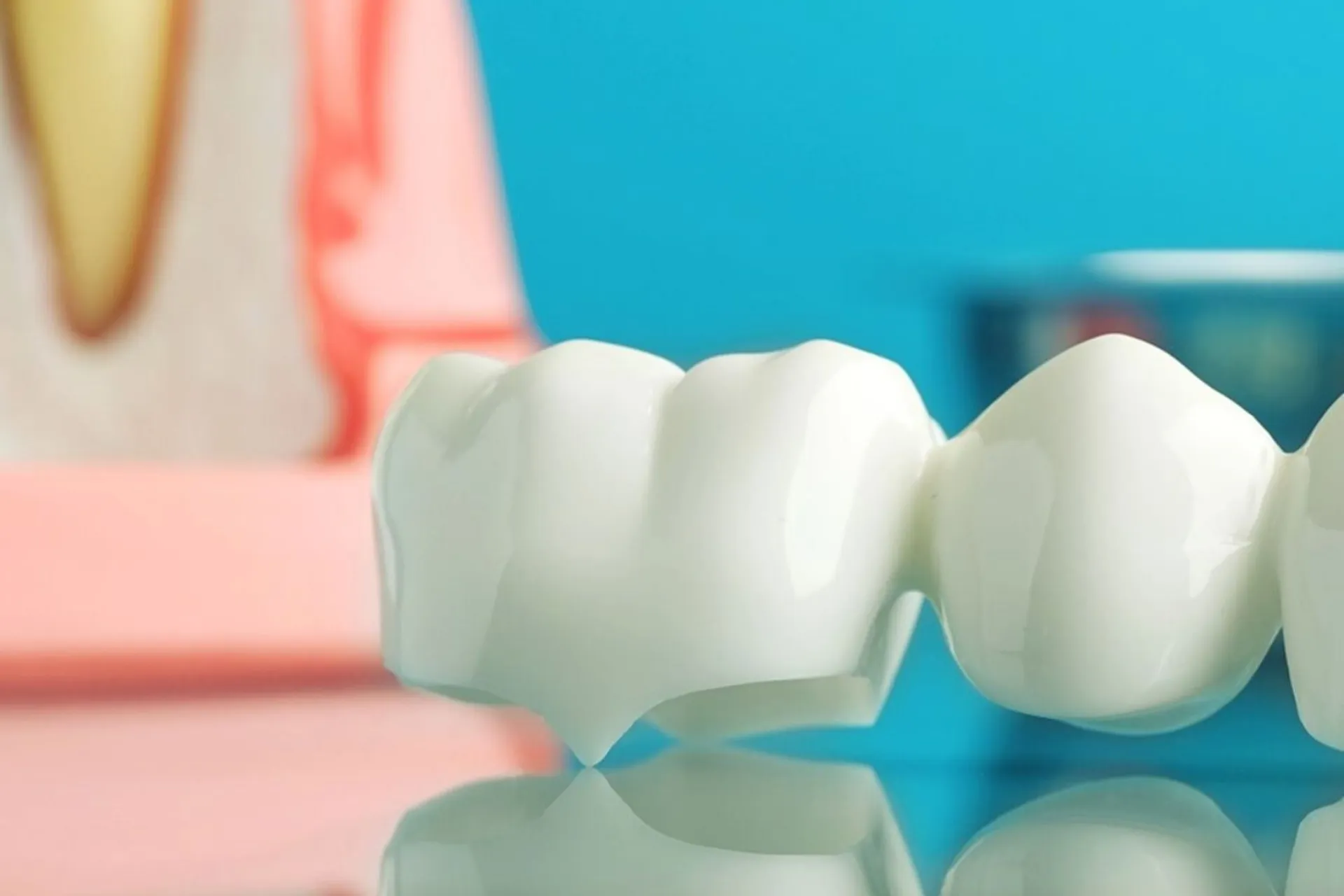
A dental bridge is a fixed prosthetic device that replaces one or more missing consecutive teeth. It literally “bridges” the gap left by missing teeth by anchoring custom artificial teeth to the natural teeth or implants on either side of the space.
A standard bridge consists of two main components:
- Abutments: The supporting teeth on either side of the gap. Dentists prepare these teeth and fit dental crowns to serve as structural anchors.
- Pontics: The artificial tooth (or teeth) suspended in the middle that replaces the missing tooth structure.
Dental bridges are meticulously shade-matched and shaped to blend seamlessly with your natural teeth, resulting in a functional and visually appealing outcome.
The Primary Types of Dental Bridges
Depending on the location of your missing tooth, the health of neighbouring teeth, and your jaw structure, several types of bridges may be considered:
Traditional Bridges: The most common option. They use a replacement tooth held securely in place by crowns placed over the healthy teeth on either side of the gap.
Cantilever Bridges: Used when there is a supporting tooth on only one side of the space. Since it anchors to a single side, it works best for areas under lighter chewing pressure, like your front teeth.
Maryland (Resin-Bonded) Bridges: Instead of using full crowns, this type uses thin metal or porcelain “wings” bonded directly to the back of neighbouring teeth, meaning little to no enamel removal is needed.
Implant-Supported Bridges: These bridges attach directly to dental implants inserted into your jawbone, rather than being anchored to natural teeth. This is perfect for restoring multiple consecutive lost teeth without affecting the surrounding natural teeth.
If you are evaluating restorative options, searching for a dental bridge near you lets an experienced clinician perform a thorough examination and recommend the right bridge style for your smile.
How Is a Dental Bridge Placed?
Understanding how a dental bridge is placed can relieve anxiety and help you know what to expect during your appointments. Placing a traditional dental bridge typically requires two main visits.
Appointment 1: Preparation and Impressions
- Numbing the Area: Your dentist applies local anaesthesia around the supporting teeth to keep you comfortable.
- Reshaping the Teeth: Your dentist trims a thin layer of enamel from the anchor teeth to make room for the new protective crowns.
- Taking Impressions: Your dentist takes high-precision digital scans and sends them to a specialized lab to craft your custom bridge.
- Placing the Temporary: Your dentist fits a temporary bridge to protect your prepared teeth and keep your smile complete while your custom bridge is made.
Appointment 2: Fitting and Final Cementation
- Removing the Temporary: After your custom bridge arrives (usually within two weeks), your dentist gently removes the temporary one.
- Checking Fit and Bite: Your dentist places the permanent bridge to check its colour, fit, and alignment with your bite.
- Permanent Bonding: Once adjustments are complete, the dentist permanently cements the bridge in place, fully restoring your smile and bite.
How Long Does a Dental Bridge Last?
Patients frequently ask How long does a dental bridge last? With proper care, routine maintenance, and good oral hygiene habits, a high-quality dental bridge typically lasts 10 to 15 years, and often longer.
Several key factors affect how long your bridge lasts:
- Daily Care: To prevent plaque from accumulating around the supporting teeth, brush twice a day and clean under the bridge.
- Anchor Tooth Health: Your bridge’s stability depends on the health of your teeth. The bridge may fail if a supporting tooth deteriorates or develops gum disease.
- Chewing Habits: Porcelain can chip or loosen if you chew ice, bite hard objects, or grind your teeth.
- Routine Checkups: Regular dental checkups help your dentist catch early wear and keep the bridge securely sealed.
Key Benefits of Getting a Dental Bridge
Selecting a dental bridge can improve your long-term health in several ways, both immediately and aesthetically:
- Restores the ability to chew food naturally and speak clearly.
- Keeps adjacent teeth from shifting into open areas.
- Supports the lips and cheeks to preserve the face’s natural contours.
- Evenly distributes biting forces throughout your dental arch.
- Provides a long-lasting, non-removable solution that remains in place.
Finding the Right Restorative Care
Replacing missing teeth as soon as possible protects your bite’s long-term health and helps avoid future alignment problems. When looking for a reputable dentist near you, a knowledgeable staff guarantees that your restoration is made to order for comfort, longevity, and a natural appearance.
If you are looking for a personalized evaluation for a dental bridge in Oakville, an experienced clinician can inspect your surrounding teeth, review digital imaging, and help you select the ideal treatment strategy.
Schedule Your Consultation Today
Are you ready to mend your smile and get your bite working again? Make an appointment with Calma Dental for a comprehensive checkup to begin your journey toward a complete, healthy smile.
Frequently Asked Questions
Is getting a dental bridge painful?
Not at all. During the visit, local anaesthetic totally numbs your mouth. For a few days after, you may experience gum soreness or temperature sensitivity, but these symptoms usually go away quickly.
Can a dental bridge be repaired if it chips?
Small chips can often be smoothed out or repaired with tooth-colored composite resin. However, if there is a major crack or the supporting tooth develops decay, replacing the bridge is usually the best option.
What is the difference between a dental bridge and an implant?
To anchor to the natural teeth on each side of the gap, the supporting teeth must be reshaped. An implant is a stand-alone post inserted directly into the jawbone to replace a missing tooth without affecting neighbouring teeth.
Can I eat normally with a dental bridge?
Yes! Once your permanent bridge is cemented, you can comfortably eat most of your favourite foods again. Just try to avoid extremely hard or sticky foods that could put too much stress on the restoration.