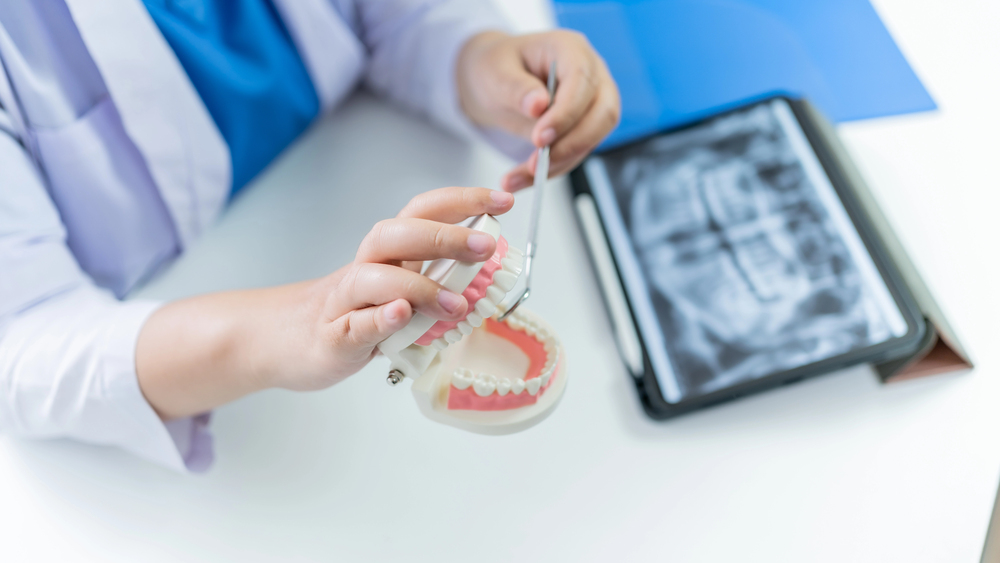
Oral surgery is a significant step, whether it’s done to remove wisdom teeth, place dental implants, or some other procedure. The process itself is significant, but your recovery afterwards has an even larger impact on how well the treatment is ultimately successful. A good recovery not only is comforting but also avoids complications such as infection or delayed healing.
Understanding the Importance of Proper Aftercare
After oral surgery, your body will heal. Following the proper procedures after the treatment is important to protect your mouth, prevent pain, and ensure that everything heals the way it’s supposed to. Adhering to your dentist’s instructions will minimize swelling, bleeding, and the risk of infection.
Most often, recovery begins with rest, careful oral care, and careful attention to what you eat. How well you comply will have a direct impact on your healing schedule.
What to Expect Right After the Surgery
Once your oral surgery is complete, you’ll likely feel numb for a few hours. Swelling, mild bleeding, and some discomfort are normal during the first 24 to 48 hours. Cold compresses and over-the-counter pain relief are often recommended to ease the discomfort.
If you’ve had oral surgery in Oakville, your dental team will provide aftercare instructions that suit your specific case. Every procedure may come with different guidelines, so always follow the plan made just for you.
The Role of Rest and Activity Management
Rest is one of the most important things you can give your body after surgery. During the first few days, avoid heavy lifting, sports, or other physical activities. Too much movement can increase bleeding or slow down your healing process.
Use extra pillows when you lie down to keep your head raised and reduce swelling. Avoid rubbing the surgical site with your fingers or tongue since it can be disruptive to healing.
Keeping Your Mouth Clean Without Harming Healing
Proper hygiene following oral surgery is a must, but it must be gentle. Steer clear of brushing the surgical area for 24 hours or more. Instead, rinse your mouth carefully with saltwater or a recommended mouthwash to keep the area clean.
Those who’ve had oral surgery near you may receive a special mouth rinse from their dental clinic to support healing and protect against bacteria during recovery.
Eating Right During Recovery
What you eat after oral surgery matters just as much as what you do. Follow soft foods such as scrambled eggs, mashed potatoes, soup, and yogurt. Don’t have hot or spicy food, crunchy foods, or anything else that can irritate the surgical area.
Skipping hard foods is especially important after procedures provided by Oakville Family Dentists, who recommend a soft diet for several days to encourage faster healing and reduce the risk of damaging the surgical site.
Managing Swelling and Discomfort
Swelling will normally peak at two or three days following surgery. To keep it under control, apply ice packs on the outside of your face during the first 24 hours.
For discomfort, take only the medications your dentist has advised. Avoid using straws or smoking, as these actions can dislodge blood clots, causing a painful condition called dry socket.
Recognizing Signs of a Problem
Healing is expected to be smooth, but it’s vital to recognize when to call your dentist. Watch out for these signs:
- Pain that doesn’t improve after several days
- Fever or chills
- Unusual swelling or pus
- Bad taste in your mouth
- Excessive bleeding
If any of these symptoms happen, reach out to your dental provider immediately for help and support.
How Long Does It Take to Heal?
Healing times vary based on the type of surgery and your body’s response. Straightforward extractions will recover in a week, whereas complicated procedures such as implants will recover in a few months. The most important thing is to follow your recovery plan and be patient with your body.
Clinics known for trusted Oakville Dentistry often remind patients that long-term healing includes more than just feeling better—it includes keeping follow-up appointments and continuing proper oral care routines.
Tips for a Smoother Recovery
To make your healing process easier, keep these quick tips in mind:
- Take all medications as directed
- Don’t skip follow-up visits.
- Use cold compresses on the first day or two.
- Stick to soft foods
- Avoid tobacco and alcohol.
- Don’t rinse your mouth too hard.
- Keep your head slightly elevated.
Following these tips will help you stay comfortable and avoid unnecessary complications.
Let Us Support You Through Your Recovery Journey
Healing well after surgery is easier when you have the right dental team on your side. If you’re preparing for oral surgery or have questions about the process, the team at Calma Dental is here to help. With experienced professionals and personalized care, we make sure you feel comfortable before, during, and after treatment.
Looking for expert care from a trusted dentist? Contact Calma Dental today to schedule your consultation or follow-up visit—we’re happy to support your smile every step of the way.